THE HOUSE | PHILOSOPHY
debelvier is a private jewellery house rooted in the cultured world of central europe, shaped by a family philosophy of beauty, heritage and enduring distinction.
our world is built around a quiter understanding of beauty - one found in manners, cultural code, craftsmanship, harmony, proportion and the passage of time.
we believe in objects chosen with taste and intention - pieces that hold meaning beyond the moment and gather stories as they pass from one generation to next.
at debelvier, luxury is a matter of discernment, choice and meaningful connection - with people, with objects, with place and with time.
a quieter understanding of what is exceptional. a world where personal taste matters, manners matter, style matter,s - where craftsmanship endures and the most meaningful thins are those worth keeping.
what deserves to remain.
The origins
of the House of Debelvier reaches back to the early eighteenth century, when the family first emerged in the Austrian Netherlands, in what is now southern Belgium.
Situated at the crossroads of Europe’s commercial routes, the Debelviers established themselves not through inherited titles, but through enterprise, integrity and an uncommon understanding of value. The Debelviers built their heritage upon commerce, discretion and trust.
By the middle of the eighteenth century, the family had founded a respected merchant banking house, financing trade between the Austrian Netherlands, the Habsburg Empire, the Swiss Confederation and Northern Italy. Their work carried them from Antwerp to Vienna, from Milan to Geneva, serving merchants, industrialists and Europe’s great houses alike.
the legend of debelvier
Collections
Throughout the eighteenth and nineteenth centuries, paintings, tapestries, rare books, sculptures, jewelry, clocks and objets d’art frequently passed into the family’s possession in settlement of commercial obligations.
Across generations, these works formed one of the most distinguished private collections assembled outside the royal courts.
Within the family, collecting was never an expression of wealth. It was an act of stewardship. Every object was carefully documented, restored where necessary, and preserved not for display alone, but for closed cirles of nobelty and aristocracy of that time.
Patrons of art
Prosperity allowed the House of Debelvier to become one of Central Europe’s quiet patrons of the arts. The family commissioned residences in Vienna, maintained villas in Switzerland and Nothern Italy, supported watch makers, painters, sculptors, architects and master craftsmen throughout Europe.
Furniture was commissioned from the continent’s finest cabinetmakers. Timepieces were entrusted to distinguished Swiss watchmakers. Libraries grew alongside galleries, and private salons flourished beside collections of paintings and sculpture.
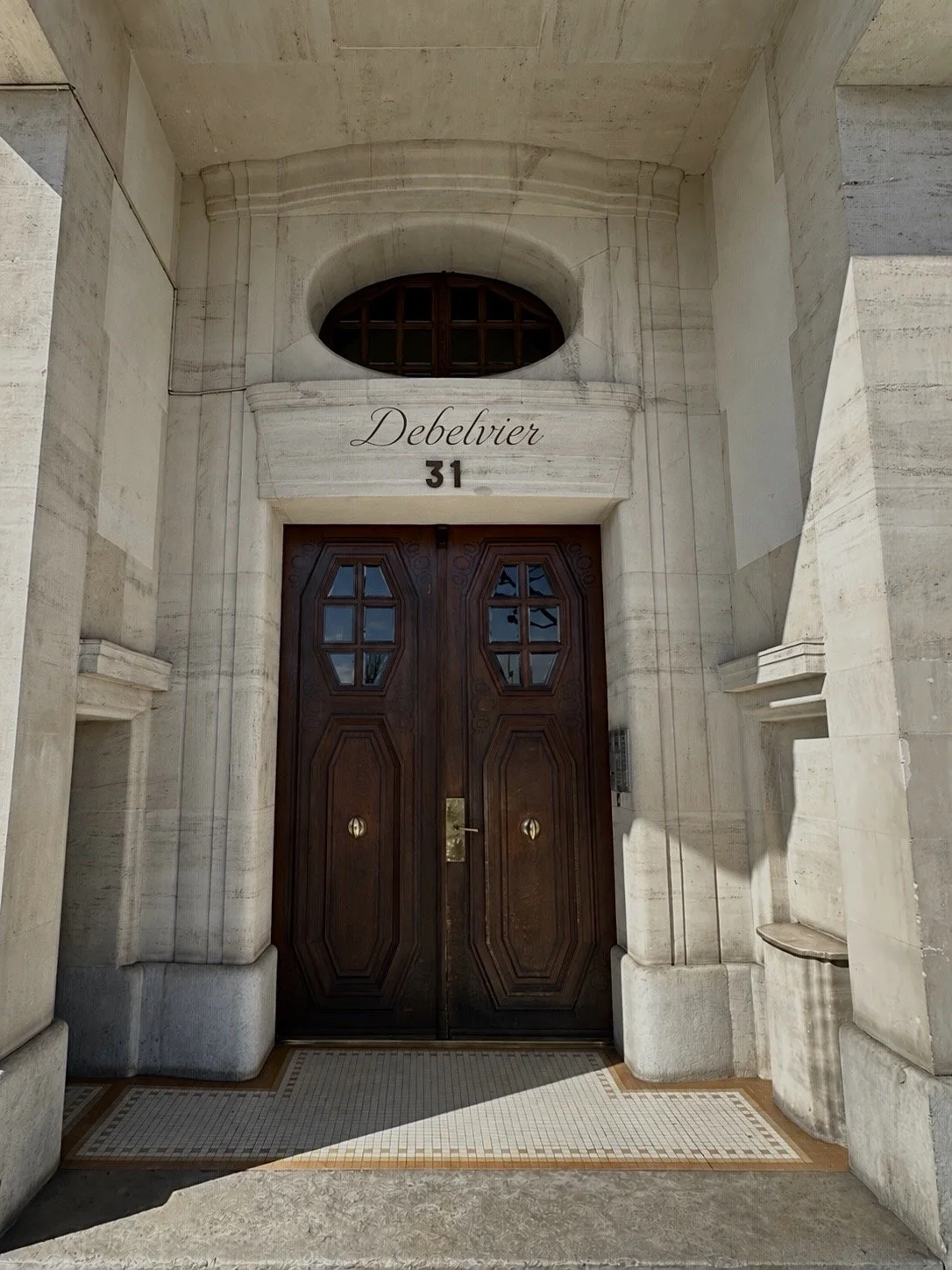
By the latter half of the nineteenth century, Geneva had become the natural centre of the family’s affairs. Its tradition of private banking, political neutrality, intellectual life and discreet international society reflected the very principles upon which the House of Debelvier had long been built.
The family gradually transferred its residence and banking offices to Geneva, while preserving close ties with Vienna and the cultural capitals of Central Europe. From Geneva, successive generations continued to advise private families, collectors and institutions throughout the continent.
The city would remain the home of the House of Debelvier.
1844
the story of the House entered a new chapter.
THE XX CENTURY
The upheavals of the twentieth century transformed Europe. Many of the continent’s great aristocratic houses were compelled to disperse collections that had remained within their families for centuries.
The House of Debelvier chose a different path. Rather than expanding its own collection, the family became discreet custodians and trusted advisers, ensuring that works of exceptional provenance found new homes worthy of their history. Through Debelvier, paintings, sculptures, tapestries and decorative arts quietly entered distinguished private collections, diplomatic residences, grand hotels and members’ clubs across Europe.
The family never described themselves as art dealers. They preferred to think of themselves as guardians of art and beauty. To receive a recommendation from Debelvier came to signify something far greater than financial value. It represented authenticity, provenance and enduring cultural significance.
LEGACY
Across more than three centuries, the House of Debelvier became associated with discretion, scholarship and impeccable taste. The family’s influence was rarely public. It was felt in the libraries they assembled, the houses they furnished, the artists they supported and the objects they quietly preserved.
Among the most respected members of the family were Heinrich Debelvier, remembered for expanding the family’s banking interests into Switzerland; Christian Debelvier, who guided the family through the cultural transitions of the twentieth century while preserving its founding principles, and Constance Debelvier, whose patronage of the decorative arts shaped much of the collection’s character.
House of Debelvier
1844